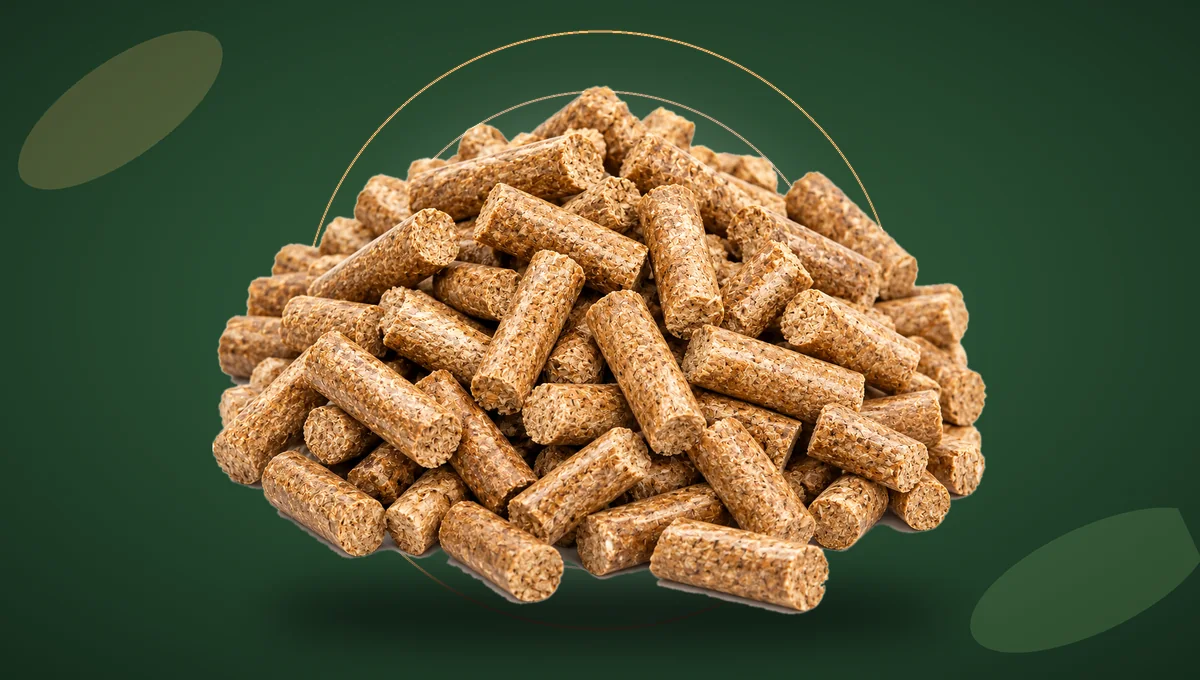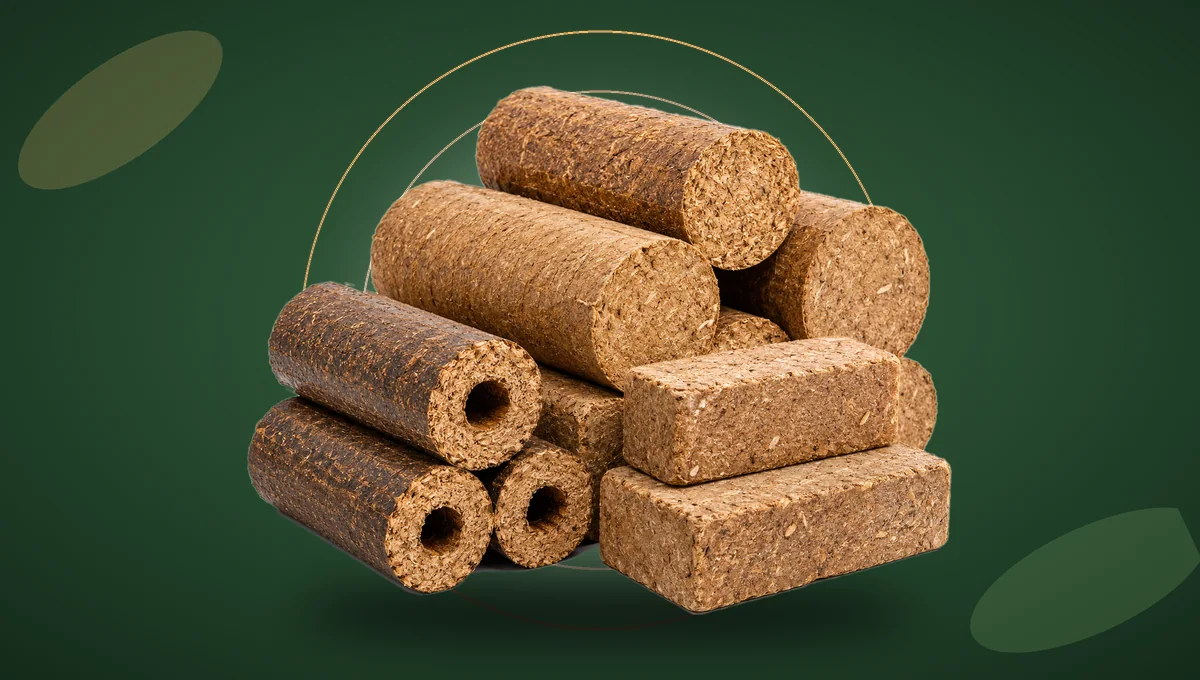


If your plant runs a coal-fired boiler, rising fuel prices and tighter pollution norms are probably on your mind. Biomass pellets are one of the most common alternatives — but are they actually cheaper? The honest answer: it depends on how you measure cost.
1. Compare cost per unit of heat, not price per tonne
A tonne of fuel is only useful for the heat it releases. To compare fairly, divide the delivered price by the fuel’s gross calorific value (GCV). That gives you a cost per 1,000 kcal — the number that really matters to your boiler.
Quick formula: Cost per 1,000 kcal = Delivered price per kg ÷ (GCV in kcal/kg ÷ 1,000)
2. Side-by-side comparison
| Factor | Biomass Pellets | Coal |
|---|---|---|
| Ash content | Low | High |
| Sulphur | Very low | Varies, often high |
| Source | Renewable residue | Fossil, mined |
3. Don’t forget the hidden costs
Fuel price is only part of the bill. When comparing, also count:
- Ash disposal — less ash means less labour and lower disposal cost.
- Handling and storage — bagged pellets are cleaner to store than loose coal.
- Compliance — lower emissions can make pollution-board norms easier to meet.
- Boiler maintenance — consistent fuel size gives steadier combustion.
4. Can your boiler switch?
Many solid-fuel boilers can run on biomass with small changes to feeding and air settings. Automatic pellet-fed systems suit pellets; manually fed and grate-fired boilers often run better on briquettes. Share your boiler make and capacity and we’ll recommend the right fuel.
Want your own cost comparison?
Send us your current fuel and consumption — we’ll calculate it for free.
The verdict
On a cost-per-heat basis, biomass pellets are often competitive with coal — and once you add savings on ash, handling and compliance, they frequently come out ahead. Run the numbers with your own delivered prices before you decide.